

:quality(70))
01
What is a dog allergy?
Whether in humans or dogs – when we come into contact with certain pathogens such as viruses and bacteria, our immune system is activated and sends an army of defence cells into battle. This is a good thing; after all, it enables us to protect ourselves against a whole host of harmful substances. In the case of an allergy, however, the immune system mistakenly classifies harmless substances as dangerous and mounts a defence against them. The causes – or substances – that trigger the allergy can be varied, ranging from certain proteins in food and house dust, through to flea saliva and dust mites, right up to grasses and pollen.
02
What are the most common allergies in dogs?
The following four allergies are the most common B in dogsB :
Flea saliva allergy: This allergy affects all breeds of dog. When fleas release saliva whilst feeding on blood, your dog may experience an allergic reaction. Other parasites can also cause problems.
Environmental allergy: The term ‘environmental allergy’, also known as atopy, covers all environmental substances that can harm your dog. The most common of these are grasses, pollen and house dust. Certain breeds are particularly susceptible.
Food allergy: In this type of dog allergy, certain substances in the food trigger symptoms; in particular, proteins and protein compounds found in beef and chicken, eggs, milk and cereals can be the cause.
Contact allergy: Chemicals, materials or natural essences contained in collars or toys can also trigger skin reactions in your dog.
03
Recognising allergies in dogs: symptoms and signs
There are a number of different signs and symptoms that may indicate your dog has an allergy. You should be particularly vigilant if your pet suddenly starts scratching constantly, licking, rubbing against walls or furniture or suffers from watery eyes. Other warning signs include persistent diarrhoea, weeping or red patches, or if your four-legged friend develops bald patches.
Furthermore, a persistent allergy can affect behaviour in the long term: your dog may become particularly aggressive or lethargic.
An overview of the most common allergy symptoms in dogs:
Itching
Weeping or red patches (hot spots)
Swelling
Hives
Ear infections
Paw infections
Bald patches in the coat
Watery, reddened eyes
Shortness of breath
Persistent diarrhoea
Sneezing and coughing
Warning: If your dog suddenly shakes, breathes shallowly, has a fever or has pale mucous membranes, this could be an allergic reaction to a wasp sting. In this case, an immediate visit to the vet is necessary, as it could be a case of anaphylactic shock.
04
Long-term effects: Why you should take allergies seriously
If allergies are left untreated, they can affect your dog’s health in the long term. For example, an untreated ear infection can sometimes lead to permanent damage to the eardrum, and an overburdened immune system is less able to fight off infections. It is therefore important to recognise allergies in dogs at an early stage and take appropriate action.
05
Allergies in dogs: When should you see a vet?
If you suspect that your dog is suffering from an allergy, you should not waste any time. It is essential not to ignore the symptoms and to consult your vet to find out whether it is an allergy. The sooner you take action, the better you can prevent any potential complications.
06
How do vets diagnose allergies in dogs?
To diagnose an allergy, vets rely on various methods:
Medical history: You will be asked about your dog’s symptoms in order to narrow down the cause of the allergy.
Coat examination: If a parasite is suspected, the vet will use a flea comb or take a skin scraping.
Elimination diet: If a food allergy is suspected, the dog is put on a diet that excludes certain foods in order to identify the trigger.
Blood test: It can sometimes be helpful to take a blood sample from the dog and have it examined in more detail in a laboratory.
Skin tests: Skin tests such as the prick test or intradermal test may also be used. In these tests, allergens are applied to the dog’s skin and then lightly pricked or injected.
07
Allergy treatment for dogs: here are the options available
Don’t worry: if your dog has been diagnosed with an allergy, there are now a number of medical treatment options available to you. The key is to avoid contact with the trigger substance or allergen as much as possible. In addition, treatment is based on the following pillars:
Relief of acute symptoms: anti-inflammatory medicines such as antihistamines, immunosuppressants or glucocorticoids (cortisone), anti-itch treatments, and antiparasitic drugs
Treatment of anaphylactic shock: fluid infusions, oxygen, and adrenaline injections
Long-term desensitisation: To provide long-term relief from symptoms, such as those of a pollen allergy, vets repeatedly administer the relevant allergen to the dog, so that the immune system gradually becomes more tolerant of it
Also help your dog to strengthen their immune system and provide them with a healthy diet that gives them all the nutrients they need. Avoid unnecessary stress. Contact with environmental toxins and freshly sprayed fields and meadows is also a no-go. Use high-quality shampoos recommended by vets, brush your dog regularly and ensure they have a clean, cosy place to sleep.
To support this, you can make use of our wide range of high-quality supplements:
To support healthy coat and skin metabolism: Fur & Skin Drops
To support anti-inflammatory responses in the body and a shinier coat: Omega-3 Drops
To support healthy digestion and the gastrointestinal tract: Belly Drops
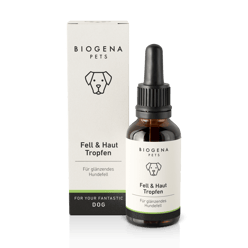
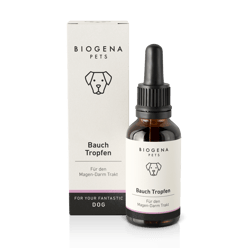
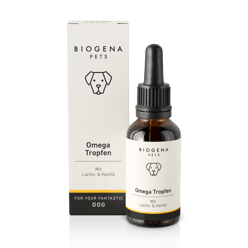
Omega Drops
08
Prevention: Can you avoid allergies in dogs?
The bad news: not all allergies are the same – there are now a whole host of potential allergens. As a result, your dog can develop an allergy at almost any age and without warning. It is therefore almost impossible to prevent an allergy from developing in the first place. The good news: you can at least reduce the risk of your faithful companion developing an allergy by doing the following:
Ensure good flea protection
Have your dog checked by a vet regularly
For a puppy: don’t mix in an unnecessary number of exotic protein sources; instead, stick to one type of meat as their food in the long term
09
Conclusion
Allergies in dogs are very common, but can be managed effectively with the right care and treatment. Keep a close eye on your dog’s symptoms, visit the vet regularly and ensure they have a balanced, healthy diet. This will help your dog lead a fulfilling and happy life, even with an allergy.
:quality(70))
:quality(70))
:quality(70))
:quality(70))
:quality(70))
:quality(70))
:quality(70))
:quality(70))
:quality(70))