

:quality(70))
01
How dogs' immune systems work
The dog's immune system is a highly complex defence system that ensures that the body is protected against harmful pathogens such as viruses, bacteria and parasites. It consists of physical barriers such as skin and mucous membranes, which prevent intruders from entering the body in the first place. If an infection does occur, immune cells such as B cells, T cells and phagocytes come into play to fight the pathogens. B cells produce antibodies that neutralise pathogens, while T cells eliminate infected cells. The immune system responds to threats with inflammation, which supports the healing process, and stores information about previous pathogens so that it can respond more quickly to future infections.
What throws your dog's immune system out of balance?
The balance of the immune system is susceptible to disruption – especially in cases of chronic stress. Common triggers are:
Parasite infestation (e.g. worms, ticks, fleas): these place a constant strain on the immune system and can weaken it
Synthetic additives in food: such as preservatives, colourings or flavourings – these put strain on the metabolism and can disrupt the natural immune defence
Unbalanced or nutrient-poor diet
Constant stress or traumatic experiences
Antibiotics or long-term medication: can have a negative effect on the intestinal flora and thus also on immune regulation
Chronic diseases or infections
Advancing age – the immune system becomes less efficient
Gastrointestinal problems, as a large proportion of immune cells are located in the gut
02
5 tips to strengthen your dog's immune system
Would you like to actively strengthen your dog's immune system? Here you will find practical tips that are easy to implement in your routine.
1. Balanced, nutrient-rich diet
A high-quality diet provides the basis for a functioning immune system. Pay attention to:
High-quality protein sources (e.g. lean meat)
Vitamin-rich foods (e.g. carrots, broccoli – well cooked)
Omega-3 fatty acids (e.g. from salmon or linseed oil)
Tip: Not all foods are suitable for dogs. Onions, grapes and chocolate are taboo!
2. Strengthen the immune system with home remedies
Some natural remedies can gently support your dog's immune system:
Turmeric: It is best to add finely ground turmeric directly to your dog's food. As a starting dose, you can use about 1/4 teaspoon for small dogs and 1/2 teaspoon for larger dogs. To ensure that curcumin – the active ingredient in turmeric – is optimally absorbed by the body, you should combine it with a pinch of black pepper and a little coconut oil or olive oil. This combination helps to enhance the effect and ensures that your dog can benefit from the anti-inflammatory properties! Simply mix it into the food and you're done!
Rosehip: a natural source of vitamin C. You can simply mix rosehip powder into your dog's food. For small dogs, about 1/2 teaspoon per day is sufficient, while larger dogs can tolerate about 1 teaspoon. If you use fresh rosehips, you can puree them or soak them in water and then add them to the food. Make sure you only use unsweetened rosehip powder without additives.
Bone broth: provides minerals and supports general well-being. Make sure the broth is unsalted, as salt can be harmful to dogs. You can also freeze the broth and thaw it in small portions to give your dog a tasty snack from time to time. If you don't have time to make it yourself, you can also find ready-made bone broth without additives in shops. About 1 to 2 tablespoons for small dogs and 3 to 4 tablespoons for larger dogs per day is a good amount.
Flaxseed: contains fibre as well as vitamins B1, B2, B3 and saturated omega-3 fatty acids. To make the nutrients optimally available, you should soak the flaxseed. A good amount is about 5 g for small dogs and 10 g for larger dogs per day. You can simply mix them into the food or soak them in a little water or broth to give your dog a tasty, easily digestible meal. Be sure to introduce flaxseed slowly so that your dog's stomach can get used to the fibre!
3. Targeted use of feed supplements
Various nutrients are crucial for a strong immune system in dogs. Vitamin C strengthens the immune system and protects against free radicals, while vitamin E acts as an antioxidant, protecting cells and reducing inflammation. Vitamin A supports the health of the skin and mucous membranes, which are important barriers of the immune system. Zinc is necessary for immune cell function and wound healing, and omega-3 fatty acids have anti-inflammatory properties and strengthen the immune system. Iron promotes red blood cell production and oxygen transport, while fibre, prebiotics and probiotics support healthy digestion, which in turn strengthens the immune system.
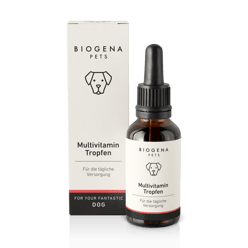
Multivitamin drops
4. Exercise & fresh air
Regular exercise promotes blood circulation, activates the metabolism and strengthens the natural immune system. Walks in the woods, playing in the meadow or targeted nose work are good for the body and mind.
However, too much exercise – for example, for older or sick animals – can also cause stress. Make sure you find a healthy balance that suits your dog.
5. Reduce stress & promote calmness
Constant stress is one of the biggest immune system killers – in humans and animals alike. Even loud noises, an unclear hierarchy or a lack of places to retreat to can increase your dog's stress levels.
What helps:
Clear routines & calm communication
Create places of retreat
Consciously plan relaxation phases
Pay attention to body language signs of stress (e.g. yawning, trembling, licking)
Support with dietary supplements containing B vitamins, magnesium or valerian.
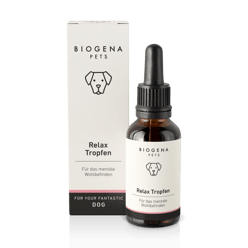
Relax Drops
03
When does a dog's immune system need support?
Certain stages of life or situations place particular demands on the body's own defences:
Puppies: still developing their immune system
Senior dogs: often have a weaker immune system due to age
After illness or surgery
In cases of allergies or skin problems
After antibiotic treatment, to restore the balance of the intestinal flora
In these cases, targeted support can be useful – if in doubt, talk to your vet.
04
The dog's immune system and skin – how the two are connected
A dog's immune system and skin are closely linked and play a central role in its health. The skin is the first barrier that protects the dog from harmful pathogens such as bacteria, viruses and fungi. It is an important part of the immune system, as it not only provides physical protection, but also contains immune cells that recognise and fight off pathogens
A strong immune system helps to prevent skin conditions such as allergies, infections and skin inflammation.
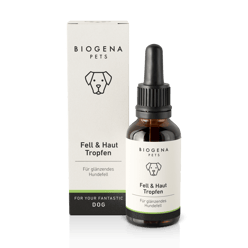
Fur & Skin Drops
05
The dog's immune system and gut – how the two are connected
The gut plays a central role in the immune system: around 70% of immune cells are located in the digestive tract. A healthy gut flora not only supports digestion, but also the immune system.
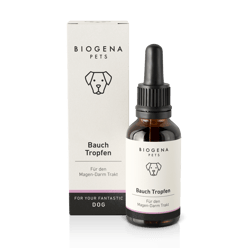
Belly Drops
06
What you should avoid in order to protect the immune system
In addition to active support, it also helps to reduce stress:
Excessive hygiene: overly sterile environments can underchallenge the immune system
Malnutrition or poor nutrition: leads to nutrient deficiencies
Constant stress and sensory overload
Smoking in the home: passive smoking also affects animals
Uncontrolled use of dietary supplements: always pay attention to quality and dosage
07
Conclusion
Your dog's immune system is a true marvel – and deserves your attention. You can make a valuable contribution with a balanced diet, sufficient exercise, rest periods and targeted support from high-quality nutrients. For more joie de vivre – and many adventures together, because BEST FRIENDS DESERVE THE BEST.
:quality(70))
:quality(70))
:quality(70))
:quality(70))
:quality(70))
:quality(70))
:quality(70))
:quality(70))
:quality(70))