

:quality(70))
01
When is hair loss in dogs ‘too much’?
A certain amount of hair loss is part of the natural coat change – especially in spring and autumn. Some dogs also shed slightly throughout the year, depending on their breed and lifestyle.
Warning signs of excessive hair loss include:
Bald or thinning patches
Itching, redness or dandruff
A noticeable amount of hair outside of the moulting season
In these cases, you should always have the condition checked by a vet.
02
Dog sheds excessively: what to do?
A few simple everyday measures can help reduce hair loss:
High-quality nutrition: A healthy coat starts in the food bowl: a balanced diet with high-quality ingredients forms the basis for healthy skin and coat.
Regular brushing: Removes loose hair, stimulates blood circulation and supports natural coat change.
Gentle coat care: Use mild, dog-friendly shampoos – too frequent or incorrect washing can irritate the skin.
Stress reduction: A calm everyday life, sufficient sleep and routines promote general well-being – including that of the skin and coat.
Supplements – targeted support for severe hair loss
If your dog is prone to excessive hair loss or has increased nutritional requirements, special supplements can help – always tailored to individual needs.
Scientifically proven ingredients such as:
Biotin and zinc – help maintain normal skin and a healthy coat.
Omega-3 fatty acids & hyaluronic acid – support the skin barrier and can be helpful for dry skin.
Amino acids such as methionine – play a role in the formation of keratin, the main component of hair.
B vitamins – important for skin metabolism and regeneration.
Tip: Supplements in drop form are particularly easy to dose and integrate into everyday life – ideal for sensitive or fussy dogs.
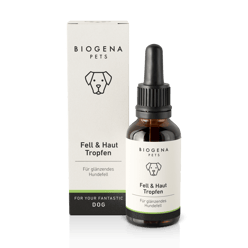
Fur & Skin Drops
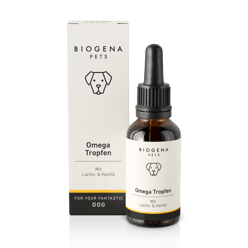
Omega Drops
Effective home remedies if your dog sheds excessively
If your dog sheds a lot, linseed oil (taken internally) can help: rich in omega-3 fatty acids, it supports the skin from within and can be helpful for dry, dull coats.
03
Possible causes of severe hair loss
In order to help your dog in the best possible way, you should know the cause of the excessive shedding – this could be, for example:
Coat change or season: Many dogs shed more in spring and autumn – this is usually harmless.
Stress or hormonal changes: Inner restlessness or, for example, being in heat can also affect the coat.
Food intolerances or allergies: If your dog is sensitive to certain ingredients, this often shows up first in their skin and coat.
Nutrient deficiency: A lack of biotin, zinc, omega-3 fatty acids or certain amino acids can lead to hair loss.
Parasites or skin diseases: Fleas, mites or fungal infections can cause severe hair loss and itching.
04
Conclusion: Every hair counts – but not every hair is cause for concern
Hair loss in dogs is often not a cause for concern, but it can also be a sign that something is out of balance. Keep an eye out for changes, provide targeted support for your dog's skin and coat, and consult your vet if you are unsure. This will ensure that your dog (and your vacuum cleaner) feels better again. BEST FRIENDS DESERVE THE BEST.
:quality(70))