

:quality(70))
01
When do dogs shed their fur?
Dogs normally shed their coat twice a year – usually in spring and autumn. This allows their coat to adapt to the changing seasons: in spring, the thick winter coat is shed, and in autumn, a warmer layer forms for the cold season.
However, the exact timing and extent of the coat change can vary greatly – depending on breed, age, health and living conditions. Dogs that live mainly indoors or in warm environments often show less pronounced coat changes.
Due to climate change, with unusually high temperatures even in the winter months and shifting seasons, the regular coat change is increasingly losing its clear structure. Many dogs now shed all year round, which puts a strain on their metabolism and immune system.
02
Symptoms of coat change – how to recognise that your pet is about to shed
During the shedding season, your dog will go through some changes that you can easily observe. The most common symptoms include:
Increased hair loss: Loose hairs fall out, especially when brushing or when your dog shakes itself.
Changed coat structure: The coat may appear temporarily dull or thinner before it grows back. However, if you notice inflamed or bald patches, this may be a sign of skin problems such as allergies, parasites or fungal infections.
Itching & increased scratching: Your dog may scratch or bite itself more often because its skin may be irritated during the change.
More grooming: Dogs may lick or groom their fur more often to get rid of old hair.
Dandruff: This can occur more frequently during the coat change because the skin is renewing itself and old, dead skin cells are shedding. This is usually nothing to worry about as long as the dandruff is not excessive or accompanied by severe itching and inflammation.
These symptoms are normal and indicate that your dog's body is adapting its coat to the season. With regular care and attention, you can make the coat change easier.
03
Itching during shedding season – what can you do?
Itching during the coat change is completely normal for many dogs, but it can be uncomfortable for your four-legged friend. To help them, you should brush them regularly and gently. This removes loose hair and stimulates blood circulation in the skin, which often alleviates the itching.
You can also support skin care by mixing natural oils such as linseed oil or black cumin oil into their food. These provide important fatty acids that strengthen the skin from within. A balanced diet with omega-3 fatty acids or omega-3 drops also contribute to healthy skin.
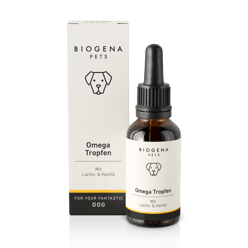
Omega Drops
Another option is to offer your dog a diluted apple cider vinegar solution as a spray. To make this, mix about three tablespoons of apple cider vinegar with one litre of water. This solution has a soothing effect on the skin.
Also, make sure to avoid stress, as this can make the itching worse. Provide a calm and safe environment where your dog feels comfortable – stress is contagious and can affect your pet's well-being.
04
Diarrhoea in shedding season – what could be behind it?
Diarrhoea is not typical during the coat change, but can be exacerbated by stress or changes in eating habits during this time. Changes in metabolism and increased licking or eating of loose fur can irritate the gastrointestinal tract. Make sure your dog has a balanced diet and avoid sudden changes in food. If the diarrhoea persists, is severe or other symptoms occur, you should consult a vet.
05
Speed up your dog's coat change
Artificially accelerating your dog's coat change is not recommended, as it is a natural process that has its own rhythm. Intervention could be detrimental to their health. Instead, you can support the coat change by brushing regularly, ensuring a balanced diet and, if necessary, supplementing with nutrients such as biotin, zinc hyaluron or omega 3. This will help your dog go through the process healthily and stress-free.
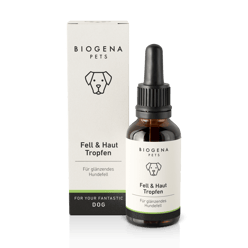
Fur & Skin Drops
:quality(70))